Browse the library
Recent articles
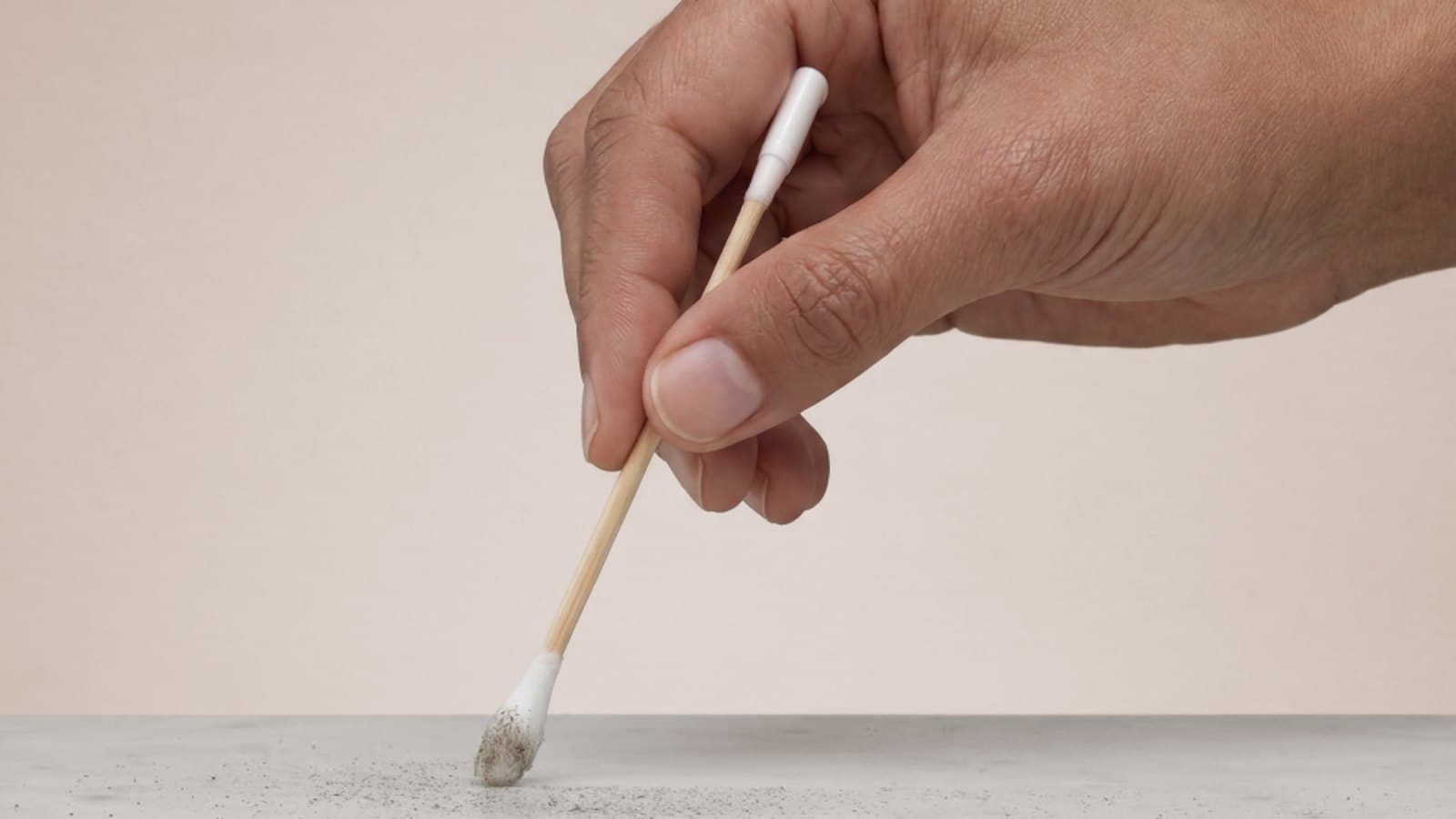
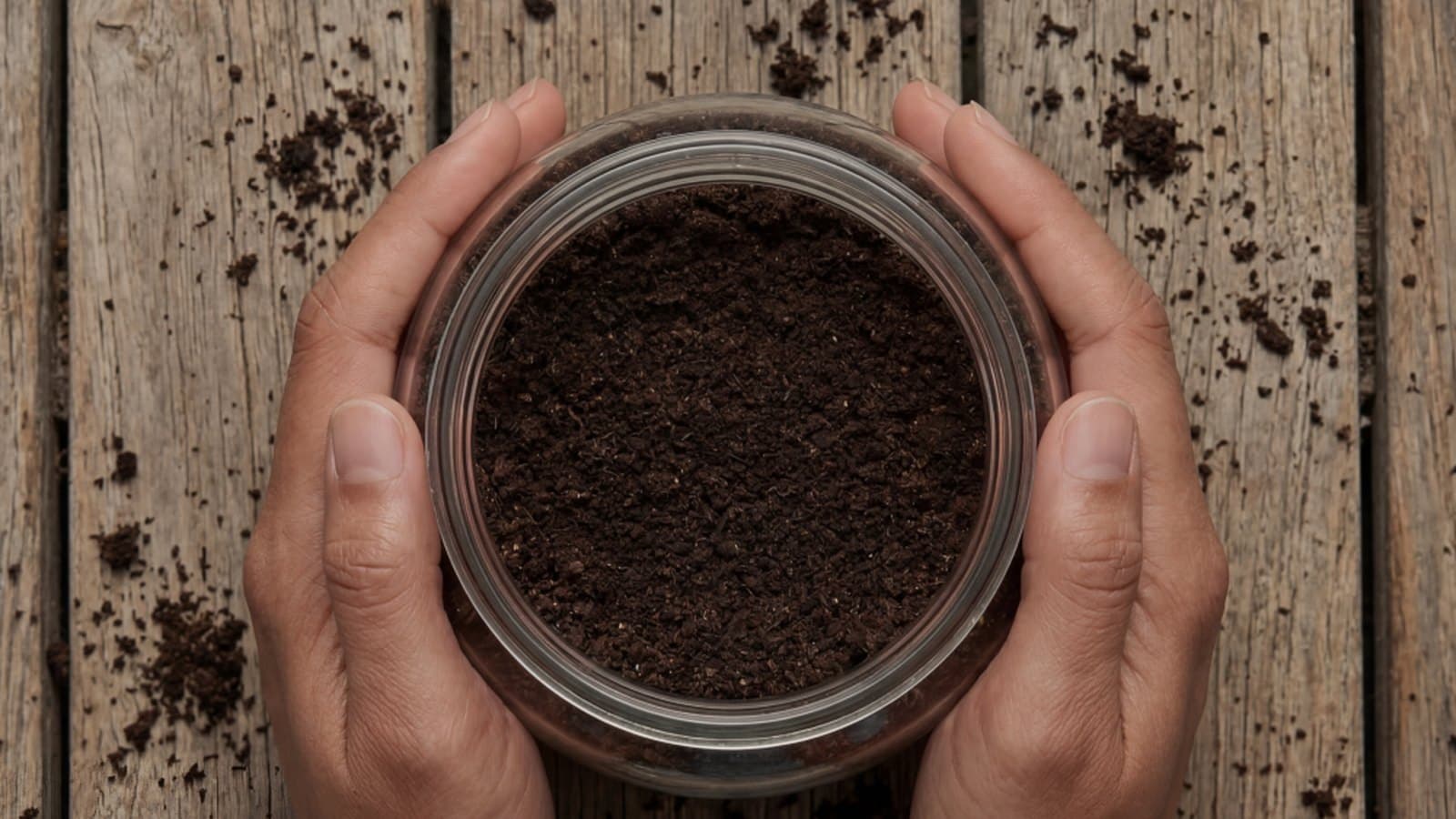
What to look for in your home
Your home is a small ecosystem. Most of it is fine. A few signs are worth a closer look. Here's how to spot them and find out what's actually going on.
Read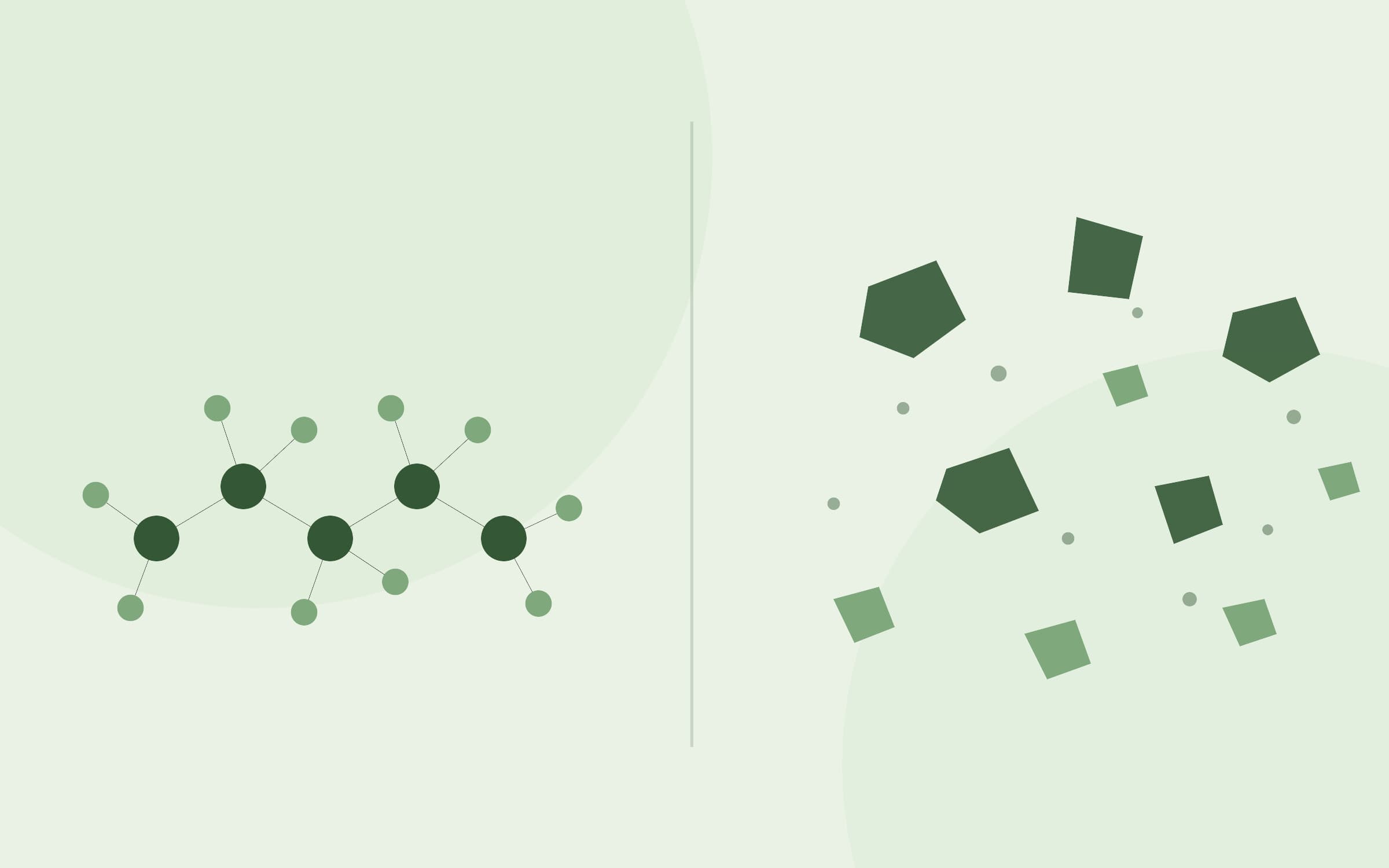
PFAS vs. microplastics: what's the difference?
You've probably seen PFAS and microplastics in the same headline, as if they were one problem. They aren't. They come from different places, behave differently, and need different tests.
Read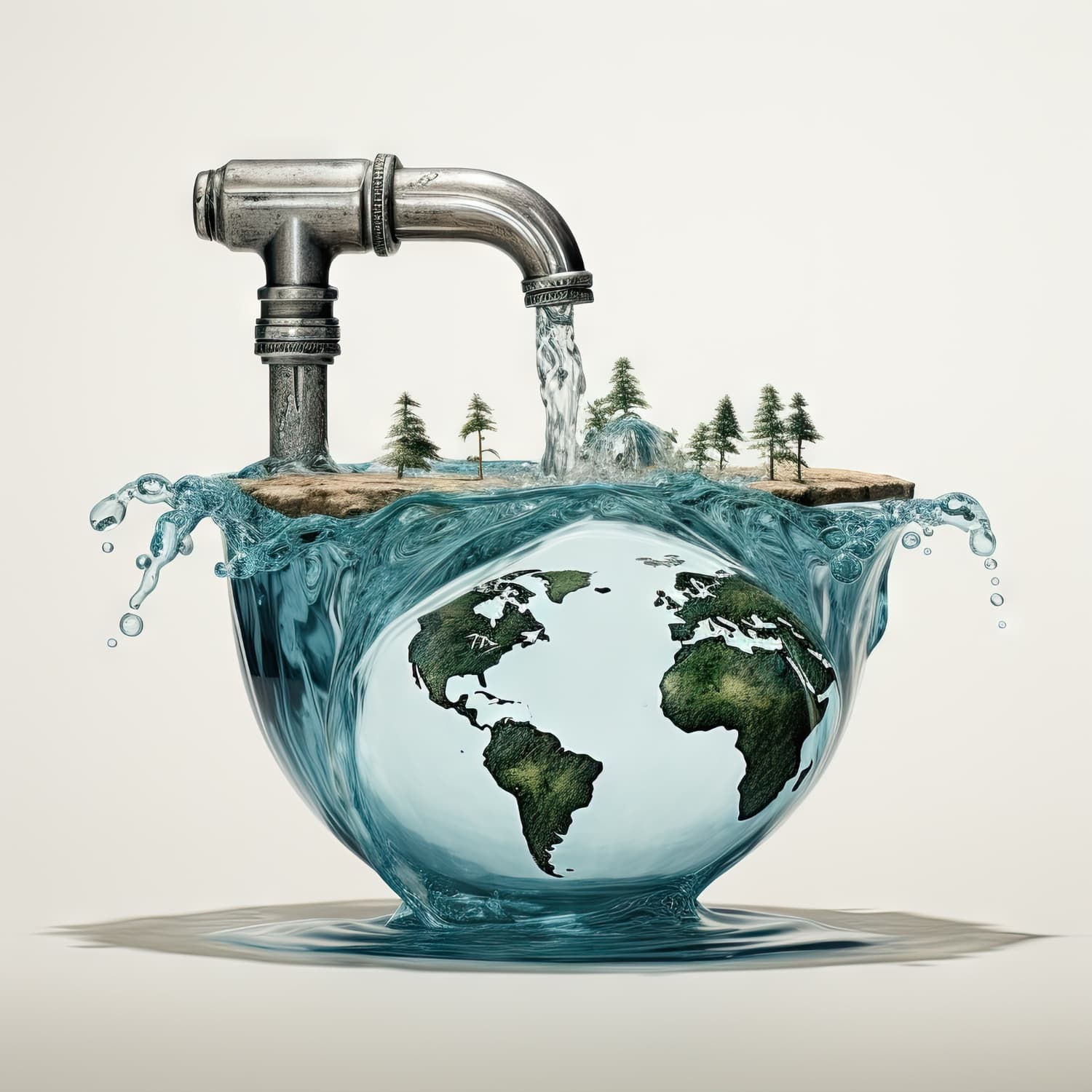
Is Tap Water Safe to Drink? 7 Essential Truths Every Homeowner Should Know
In many U.S. homes, the answer is yes. But the more useful answer is: it depends on your water source, your local utility, your home’s plumbing, and whether you’ve tested for the right risks.
Read
How Does Sleep Affect Mental Health? Mood, Stress & Home Wellness
Sleep is often treated like something we can borrow from, delay, or make up later. A late-night work session, one more episode, a few extra scrolls, a mind full of tomorrow’s responsibilities, most people know the pattern.
Read
How to Start a Wellness Routine at Home: A Simple Guide to Better Home Wellness
Starting a wellness routine does not have to mean completely changing your life overnight. In fact, the best wellness routines are usually simple, realistic, and easy to repeat.
Read
The Science Behind Home Health Assessments and Environmental Testing
A home can look clean, feel comfortable, and still contain hidden environmental risks.
Read
PFAS in Drinking Water: Health Risks and How to Reduce Exposure
Most families think about drinking water in simple terms: Does it look clear? Does it smell normal? Does it taste fine?
Read
Mold Exposure Symptoms: What Most Families Miss
A child wakes up congested again. One parent keeps getting headaches in the bedroom. Someone has a cough that never fully goes away. Everyone assumes it is allergies, a stubborn cold, dry winter air, or “just one of those things.”
Read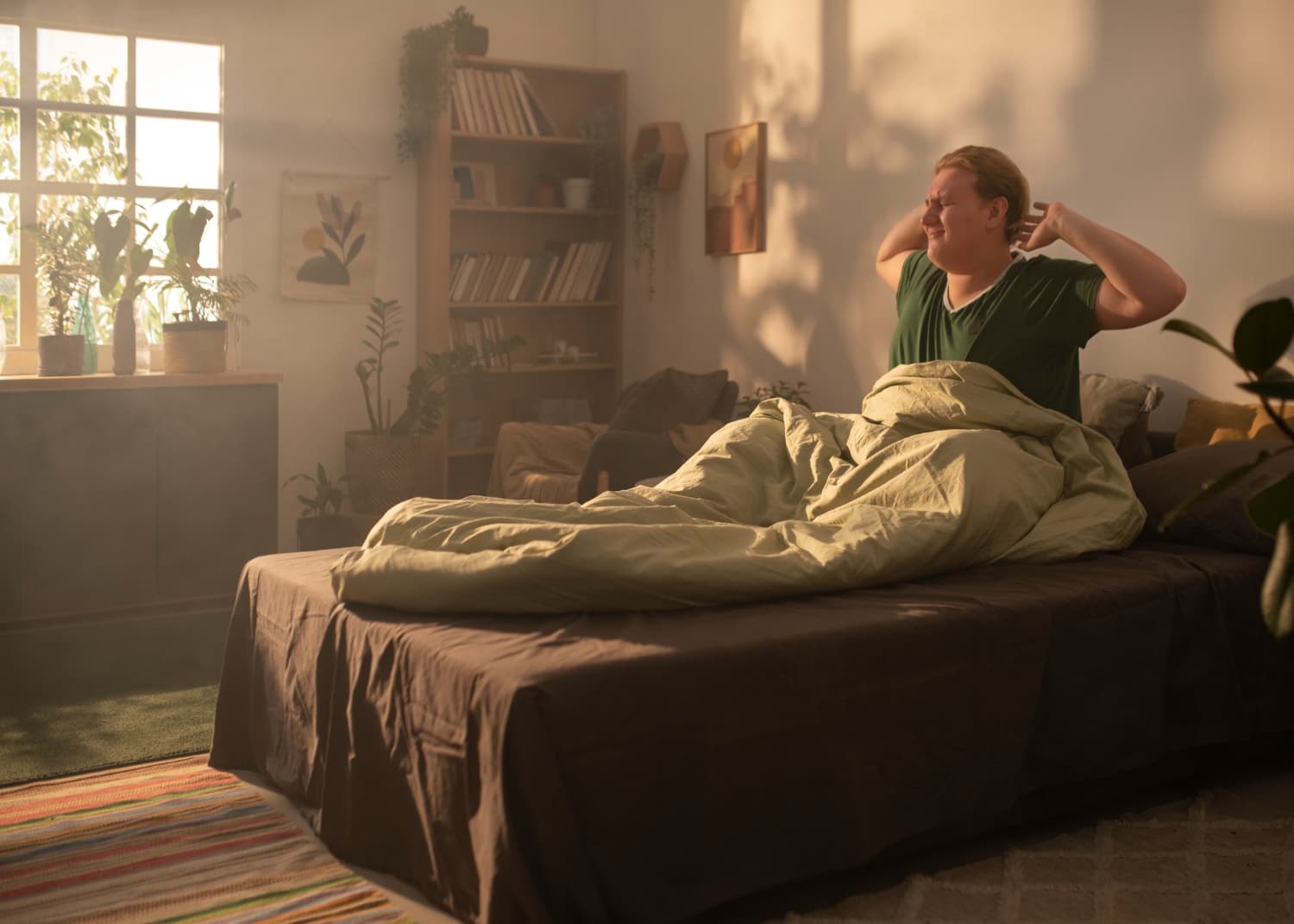
How Indoor Air Quality Affects Sleep, Energy, and Long-Term Health
Most people think about air pollution as something outside: traffic exhaust, wildfire smoke, smog, pollen, factory emissions. But the air you breathe most often is usually the air inside your home.
Read