What to look for in your home
Your home is a small ecosystem. Most of it is fine. A few signs are worth a closer look. Here's how to spot them and find out what's actually going on.
Your home is a small ecosystem: the building, the air and water moving through it, the neighborhood around it, and the people and pets inside. Most of it is fine. A few signs are worth a closer look. Here's how to spot them, how to find out what's actually going on, and what you can do about it, often for less than you'd expect.
Signs of a water or moisture problem
Moisture is easy to miss, whether you moved in last month or ten years ago.
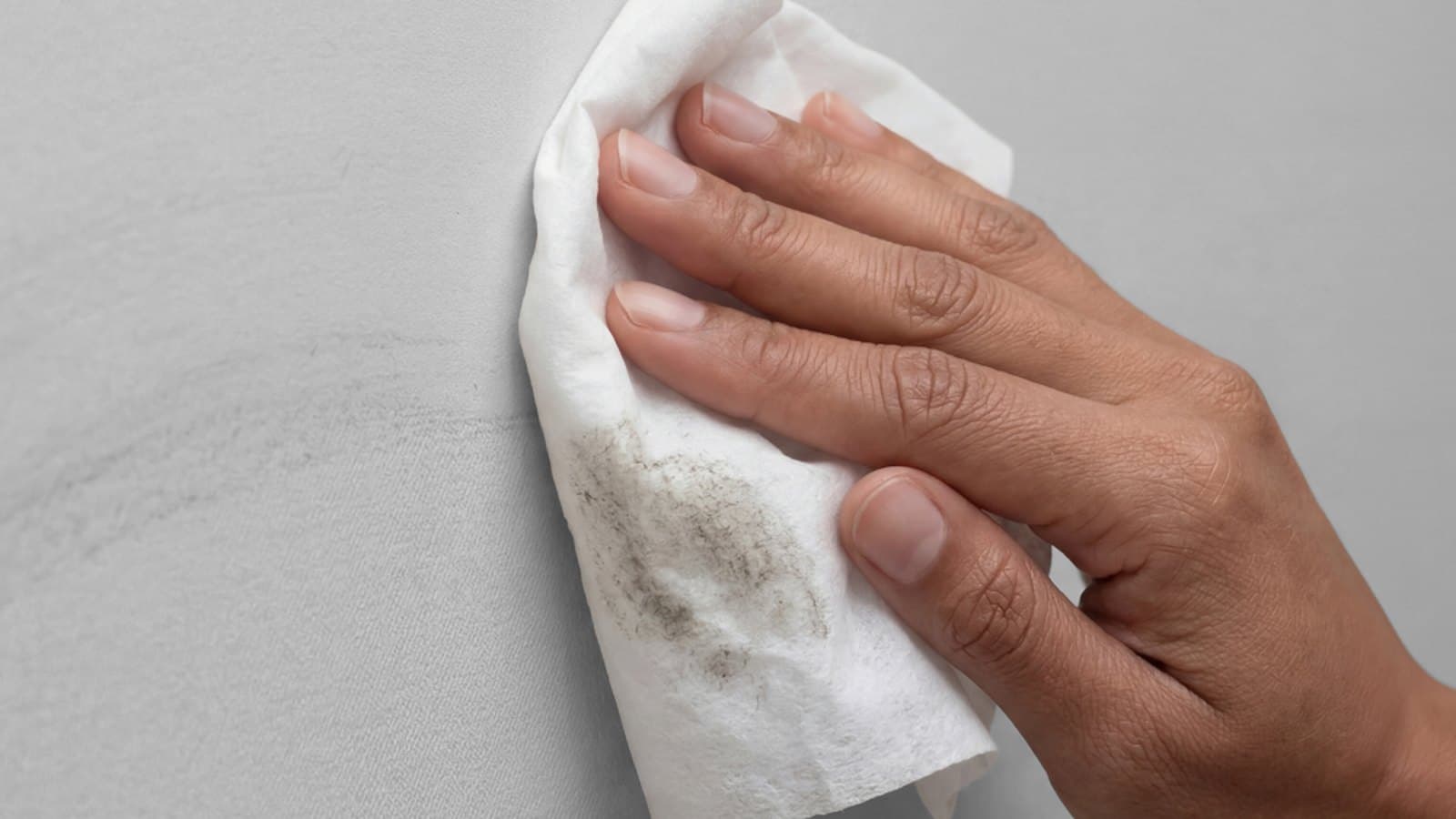
Water stains on the ceiling, visible mold, paint that's peeling or bubbling.
A musty smell, windows that fog up every morning, a room that always feels humid, a line on the basement wall from a flood before your time.
None of these means you have a serious mold problem. They do mean water is getting in or collecting somewhere it shouldn't. Finding and fixing that source matters more than knowing exactly which mold is there.
What your water can and can't tell you
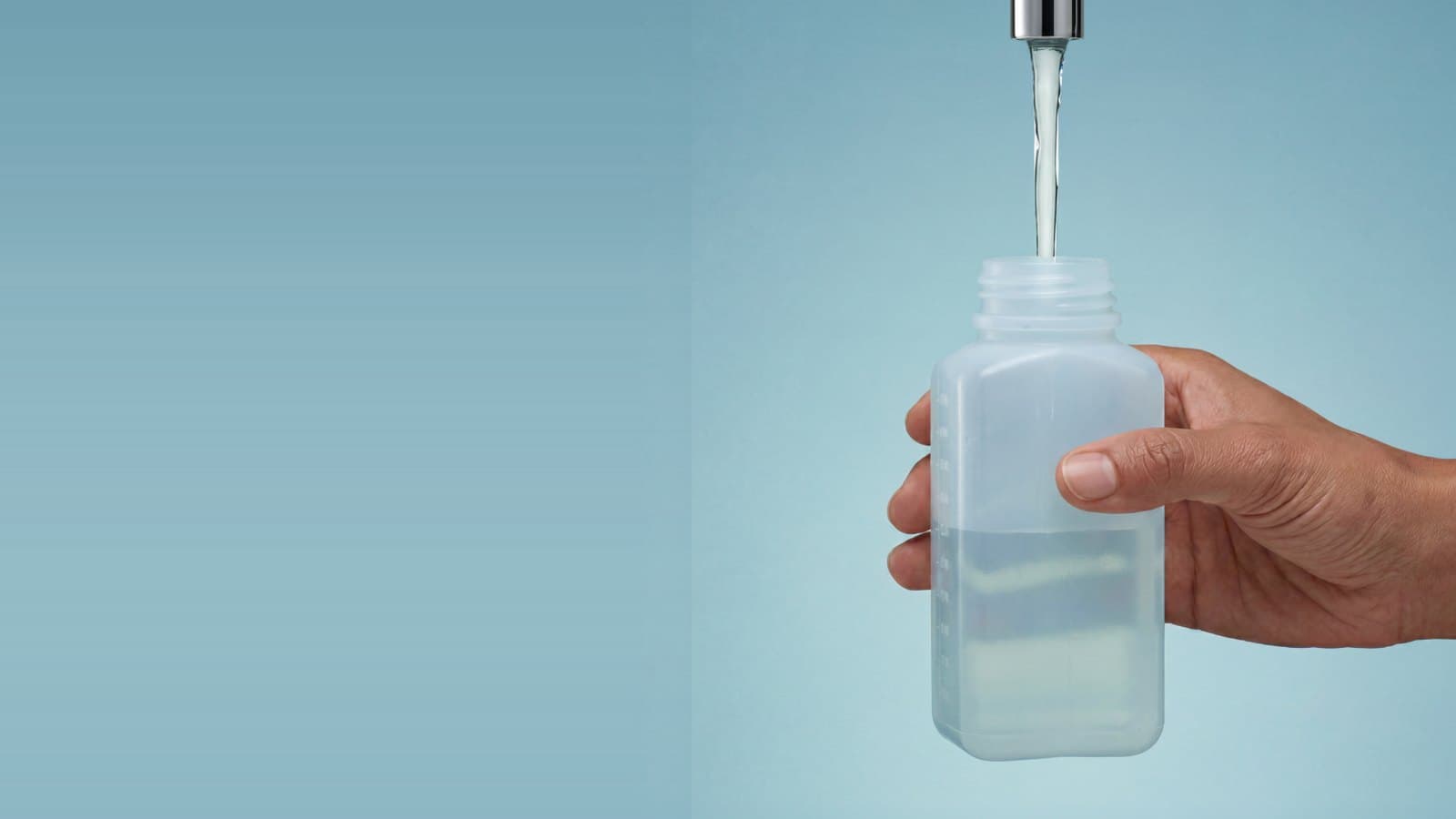
Many drinking-water contaminants, including PFAS1 and lead2, have no color, taste, or smell. You can't tell they're there without testing. Some signs are easier to notice: a metallic taste, water that suddenly looks cloudy or tinted, an odd smell, or blue-green or orange stains around sinks and tubs3,4. And some homes are worth a closer look even when the water seems perfectly normal, like those on a private well5–7 or with older plumbing.
Pay attention to your air
You spend about 90% of your time indoors, and indoor air levels of some pollutants are often 2 to 5 times higher than outdoors8. Some sources are obvious: smoking, cooking, an attached garage, a fireplace, dust9–11. A good HVAC filter, changed regularly, lowers indoor particle levels.
Others are easier to overlook. Paint, glue, solvents, cleaning products, new furniture, and new flooring can release volatile organic compounds (VOCs)12,13, chemicals that evaporate into the air at room temperature. Even a renovation meant to make your home better can bring in dust and fumes for a while.
Indoor air also changes. It shifts day to day and season to season with ventilation, humidity, outdoor air, cooking, cleaning, and how you use the space. Knowing where poor air is coming from is as useful as knowing it's there.
Your home's history
When your home was built tells you what to look for. An older home isn't an unhealthy home. It just has a different checklist.
Lead-based paint was banned for residential use in 1978, so these homes may have it under newer coats, along with lead in dust, older plumbing, or materials containing asbestos.
Often sealed tighter, which can trap moisture and VOCs from new building materials if ventilation isn't keeping up.
Knowing the build year, what's been renovated, and whether there's been water damage in the past helps narrow down what's worth checking.
Look around your home
Your home doesn't stop at the property line. Think about what's nearby: a highway, a factory, a farm, a landfill, an airport14–17. It's also worth knowing the area's history. Does it flood? Is wildfire smoke common? Was the lot next door once a gas station?
None of these makes your home unsafe on its own. They're clues about which exposures might be relevant. Public environmental data can point to possible sources around your address. A test tells you whether anything actually made it inside, where you and your family spend your time.
And information is only half of it. It should come with something you can do. Depending on the source, the fix might be better ventilation, controlling moisture, the right filter on your tap, covering bare soil, or dealing with one specific source.
What you can't see
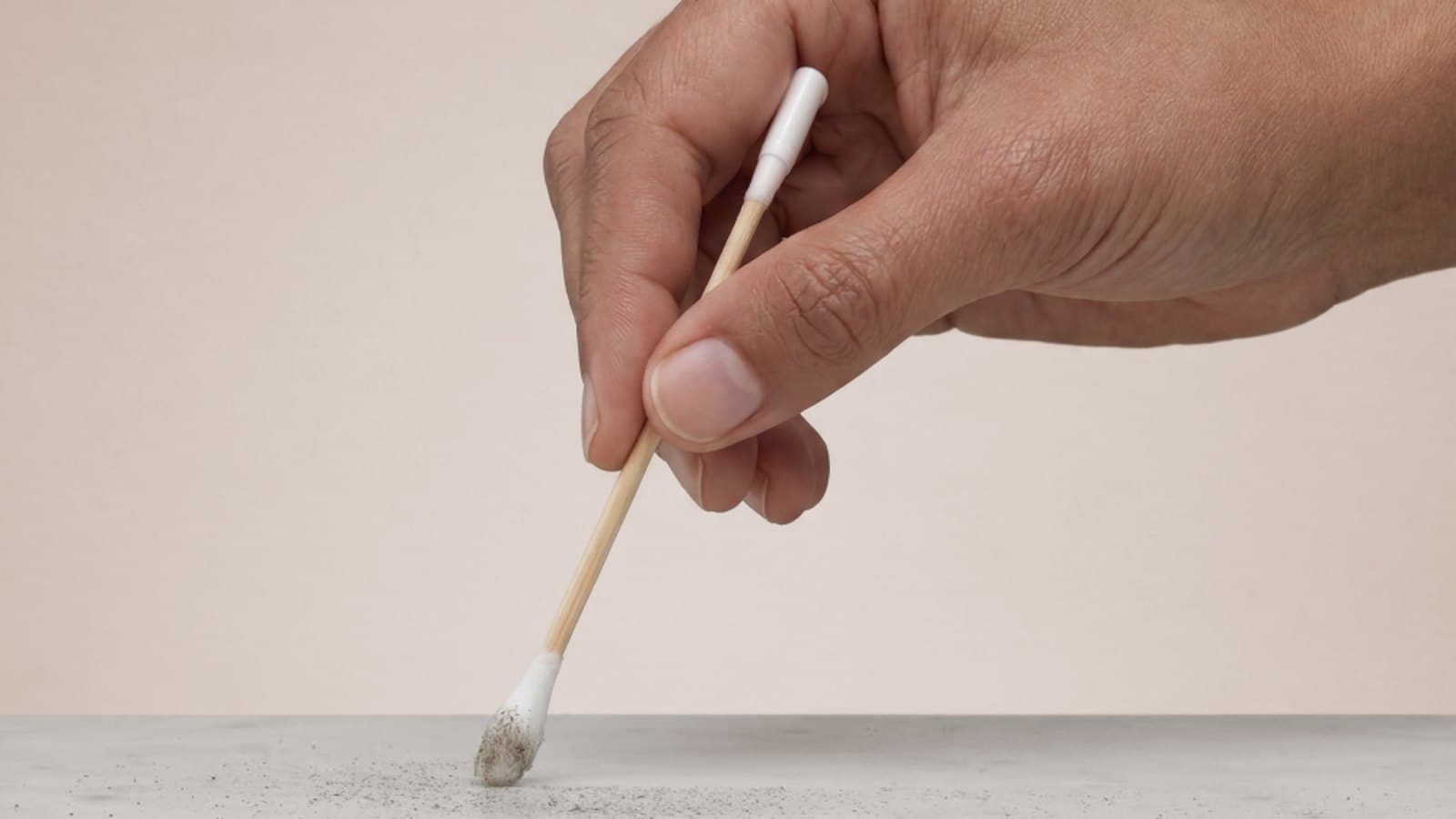
Some of the things most worth knowing about leave no sign at all. Radon has no smell or color, and about 1 in 15 U.S. homes has radon above the EPA's action level (U.S. EPA). Lead can sit in ordinary-looking dust or water. Many water contaminants can't be tasted. A home can look spotless and still have something worth knowing about.
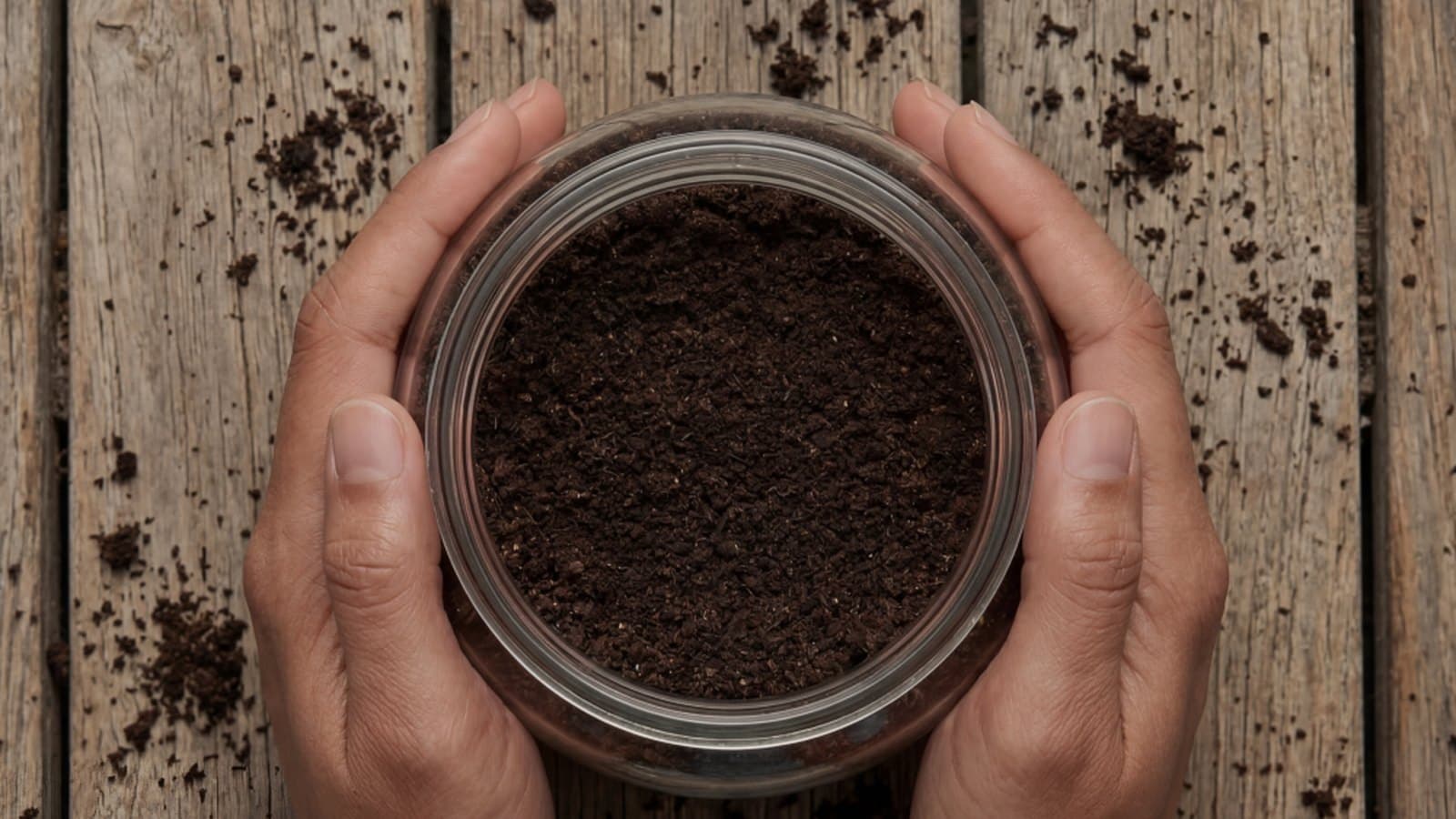
That's where targeted testing helps. You don't need to test for everything. Your home's age, history, and surroundings point to what's actually worth measuring. You might find your dust is fine and your tap water needs a filter, or your water is fine and the soil in the vegetable bed has more lead than you'd like.
Where to start
Your score is a starting point. A test tells you what's actually in your home, and what to do about it.
- 1.Evich, M. G. et al. Per- and polyfluoroalkyl substances in the environment. Science 375, eabg9065 (2022).
- 2.Triantafyllidou, S. & Edwards, M. Lead (Pb) in tap water and in blood: Implications for lead exposure in the United States. Crit. Rev. Environ. Sci. Technol. 42, 1297–1352 (2012).
- 3.Dietrich, A. M. et al. Health and aesthetic impacts of copper corrosion on drinking water. Water Sci. Technol. 49, 55–62 (2004).
- 4.Pieper, K. J., Tang, M. & Edwards, M. A. Flint water crisis caused by interrupted corrosion control: Investigating ‘ground zero’ home. Environ. Sci. Technol. 51, 2007–2014 (2017).
- 5.DeSimone, L. A. USGS SIR 2008–5227 Quality of Water from Domestic Wells in Principal Aquifers of the United States, 1991–2004. U.S. Geological Survey (USGS) (2009). Link
- 6.Smalling, K. L. et al. Per- and polyfluoroalkyl substances (PFAS) in United States tapwater: Comparison of underserved private-well and public-supply exposures and associated health implications. Environ. Int. 178, 108033 (2023).
- 7.Pieper, K. J., Krometis, L.-A. H., Gallagher, D. L., Benham, B. L. & Edwards, M. Incidence of waterborne lead in private drinking water systems in Virginia. J. Water Health 13, 897–908 (2015).
- 8.U.S. EPA. The Inside Story: A Guide to Indoor Air Quality. US EPA (2014). Link
- 9.Abdullahi, K. L., Delgado-Saborit, J. M. & Harrison, R. M. Emissions and indoor concentrations of particulate matter and its specific chemical components from cooking: A review. Atmos. Environ. (1994) 71, 260–294 (2013).
- 10.Batterman, S., Jia, C. & Hatzivasilis, G. Migration of volatile organic compounds from attached garages to residences: a major exposure source. Environ. Res. 104, 224–240 (2007).
- 11.Naeher, L. P. et al. Woodsmoke health effects: a review. Inhal. Toxicol. 19, 67–106 (2007).
- 12.Hodgson, A. T., Rudd, A. F., Beal, D. & Chandra, S. Volatile organic compound concentrations and emission rates in new manufactured and site-built houses: VOC concentrations and emission rates in new manufactured and site-built houses. Indoor Air 10, 178–192 (2000).
- 13.Farmer, D. K. et al. Overview of HOMEChem: House Observations of Microbial and Environmental Chemistry. Environ. Sci. Process. Impacts 21, 1280–1300 (2019).
- 14.Brugge, D., Durant, J. L. & Rioux, C. Near-highway pollutants in motor vehicle exhaust: a review of epidemiologic evidence of cardiac and pulmonary health risks. Environ. Health 6, 23 (2007).
- 15.Hudda, N., Gould, T., Hartin, K., Larson, T. V. & Fruin, S. A. Emissions from an international airport increase particle number concentrations 4-fold at 10 km downwind. Environ. Sci. Technol. 48, 6628–6635 (2014).
- 16.Ward, M. H. et al. Proximity to crops and residential exposure to agricultural herbicides in iowa. Environ. Health Perspect. 114, 893–897 (2006).
- 17.Liang, Y. et al. Wildfire smoke impacts on indoor air quality assessed using crowdsourced data in California. Proc. Natl. Acad. Sci. U. S. A. 118, e2106478118 (2021).
Nestwell screens your home environment. Results describe your water, air, or dust and are not a medical diagnosis.
Frequently asked questions
- What are the signs of a moisture problem in a house?
- Obvious signs include water stains on the ceiling, visible mold, and paint that's peeling or bubbling. Quieter ones include a musty smell, windows that fog up every morning, a room that always feels humid, and a line on the basement wall from an old flood.
- Can I tell if my tap water is safe by how it tastes?
- Not reliably. Many drinking-water contaminants, including PFAS and lead, have no color, taste, or smell. Some homes are worth a closer look even when the water seems normal, like those on a private well or with older plumbing.
- What can't I see in my home?
- Radon has no smell or color, and about 1 in 15 U.S. homes has radon above the EPA's action level. Lead can sit in ordinary-looking dust or water. A home can look spotless and still have something worth knowing about.