Track indoor triggers across three sources: mold, common indoor allergens, and VOCs in the air.
MoldDustAir
Bundle total $703
Why this bundle
Asthma and allergy symptoms can be influenced by multiple parts of your indoor environment, and the triggers are not always easy to see. This bundle looks across three important sources: mold, common indoor allergens, and VOCs, to provide a more complete picture of potential triggers in your home. Together, these tests can help identify exposures that may be contributing to irritation or flare-ups and guide practical steps to improve your indoor environment.
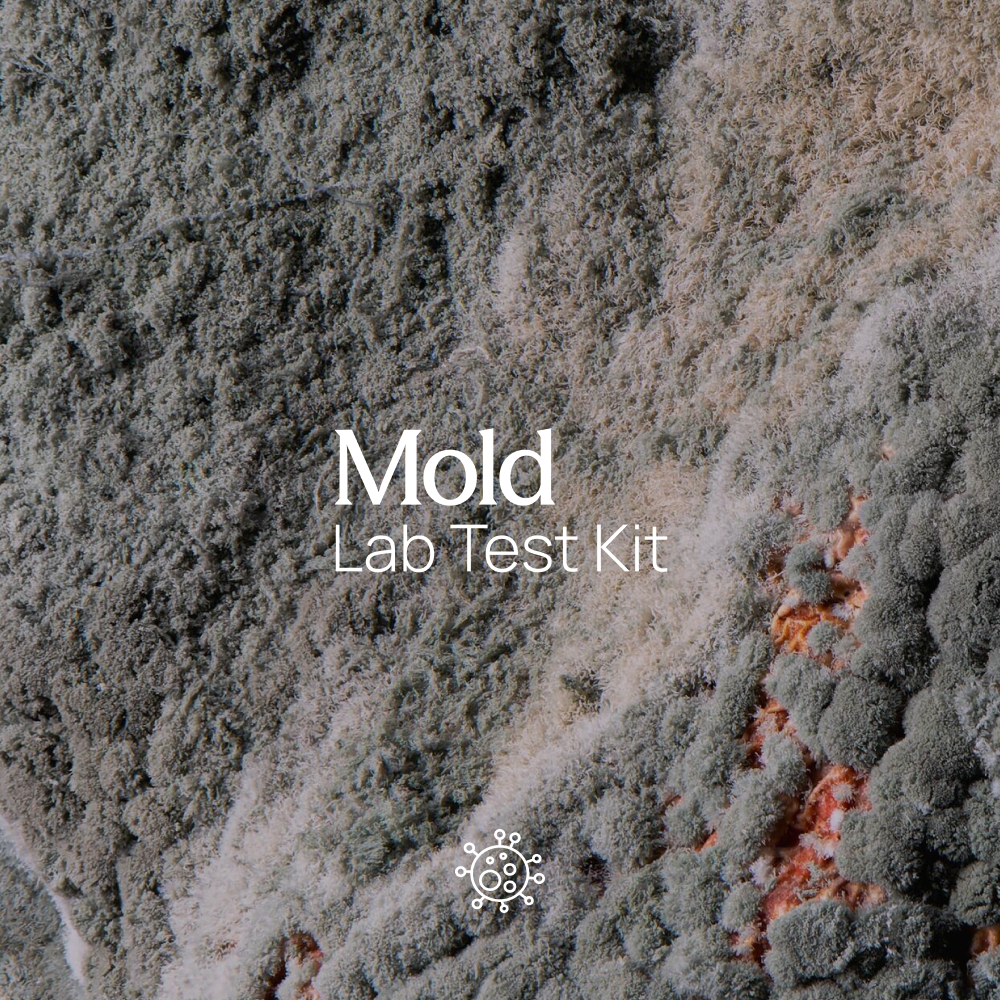
Mold can be an important environmental trigger for people with asthma and allergies, particularly when it grows in damp or poorly ventilated areas of the home. Mold releases spores and other particles into the environment that can activate the immune system, irritate the airways, and contribute to symptoms such as coughing, wheezing, congestion, and itchy or watery eyes in susceptible individuals. A Mold & Fungus Surface Tape test can help identify common types of mold on surfaces where growth is visible or suspected. Identifying mold, and the moisture source allowing it to grow, can help guide targeted remediation and reduce a potential trigger in your home.
Basic Indoor Allergen
Many common asthma and allergy triggers are found right inside the home. Allergens from sources such as dust mites, pets, cockroaches, and rodents can become part of household dust and may contribute to symptoms in people who are sensitive to them. A Basic Indoor Allergen test can help identify and measure common allergens in your home, providing information about potential triggers that may otherwise be difficult to recognize. Understanding which allergens are present can help you focus cleaning, filtration, moisture control, and other interventions on the sources most relevant to your household.
VOC Air Exposure
Not every asthma trigger is an allergen. Volatile organic compounds (VOCs) are chemicals released into indoor air from sources such as paints, cleaning products, fragrances, furniture, building materials, and fuels. Some VOCs can irritate the eyes and respiratory tract and may worsen symptoms in people with sensitive or reactive airways. A VOC Air Exposure test can help characterize VOCs in your indoor air and identify potential sources of persistent chemical exposure. These results can help guide practical changes such as improving ventilation, changing products, or addressing specific sources of indoor air pollution.
Common questions
Can these kits find my allergy trigger?
They measure common indoor irritants in air, dust, and mold, which helps narrow the source. They do not replace allergy testing by a clinician.
Which one should I start with?
If you see or smell mold, start there. Otherwise indoor air and dust give the broadest first look at what’s circulating.
Start with the Allergy & Asthma bundle
Add the set now, or explore each kit first. Free 2-day shipping and a 30-day money-back guarantee.
These at-home kits describe your home environment; they are not medical advice or a diagnosis. For health decisions, talk with your clinician.